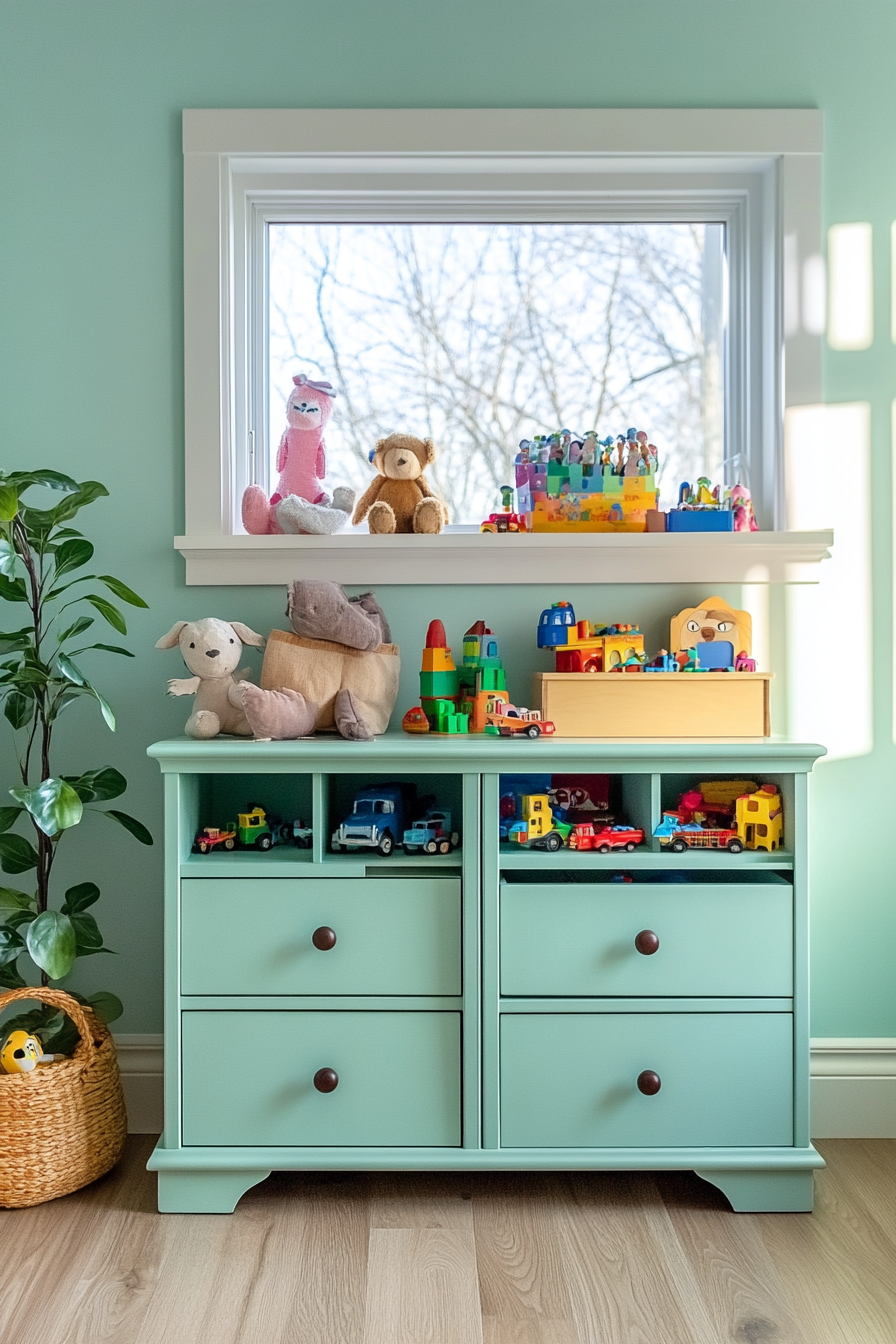
11 Easy Toy Storage Ideas to Keep Kids Rooms Organized
Anyone who has ever stepped on a stray Lego at 6 a.m. or pushed toys into a closet at the end of a Sunday night before visitors will find this to be a familiar story. Despite all the bins for toys you may buy, they still seem to multiply in the middle of the night. Fortunately, it’s not a Pinterest-perfect budget or a complete room makeover that you will need to solve the problem.
More often than not, it’s simply a matter of a system that actually matches your kids’ play and the amount of stuff you need to deal with. Whether you’re having too many stuffed animals to store and organize or too many pieces of a puzzle to put together, there’s an idea here for you, from a simple 5-minute task to a weekend project.
Magnetic Toy Box Storage Idea
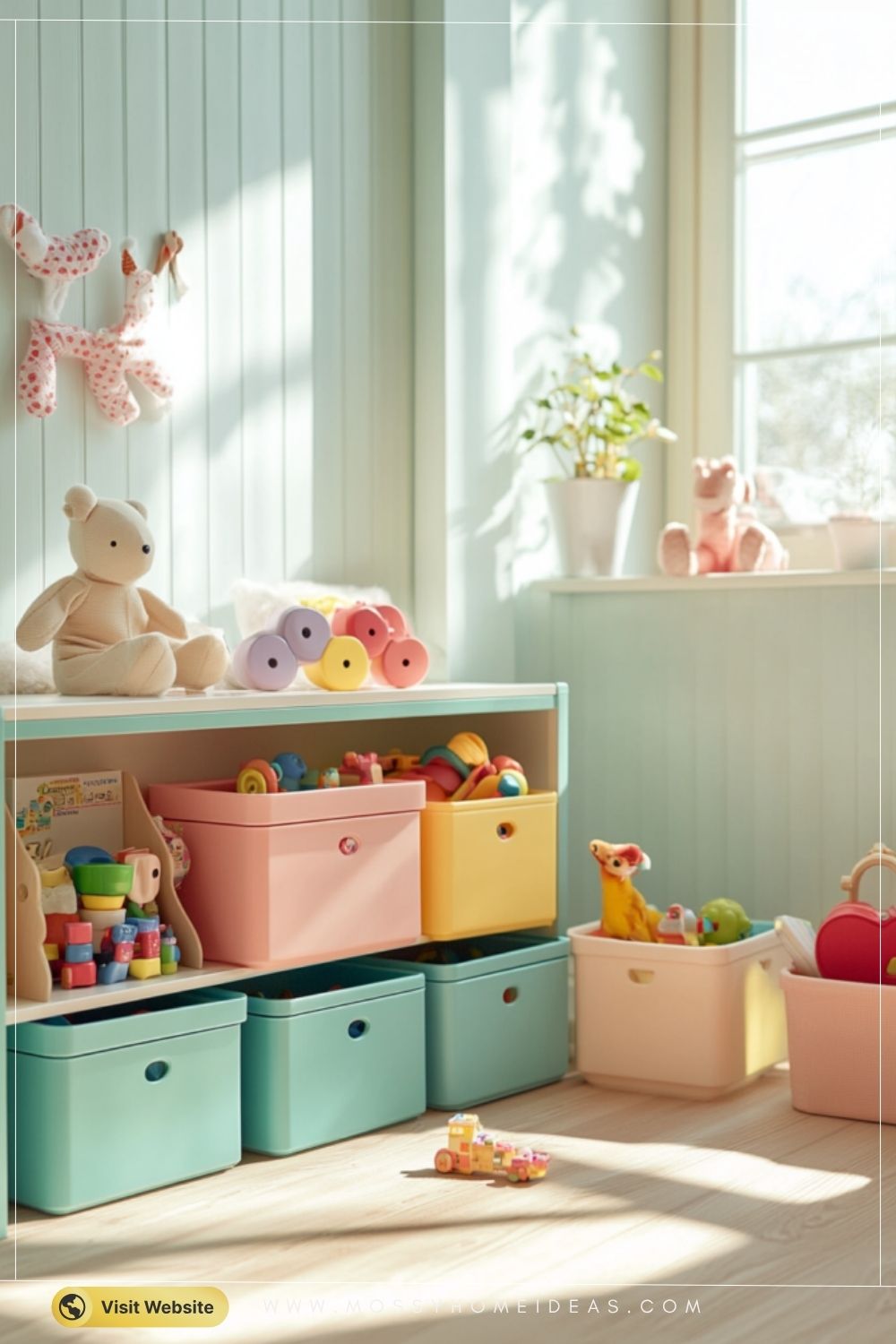
Magnetic storage doesn’t just exist for use to store little finger safe toy chest lids, although that’s enough to make one think about it. A magnetic closure system allows children to open and close a box with one hand, which is more important than it sounds when dealing with a frustrated toddler with cumbersome latches. Buy toy boxes with soft-close magnetic hinges or get a magnetic safety catch kit from a hardware store and install it on any wooden toy box.
This is ideal for larger, bulkier toys that don’t require a lot of small piece assembly and disassembly, such as ride-on vehicles, play kitchen items or blocks. There is a trade-off: Magnetic boxes can become a catch-all for boxes, and aren’t the best choice for things that have to stay separate. Double check the magnets cannot be pried off if you have children under three years old—small magnets are a real choking hazard!
Open Shelving Toy Storage Unit
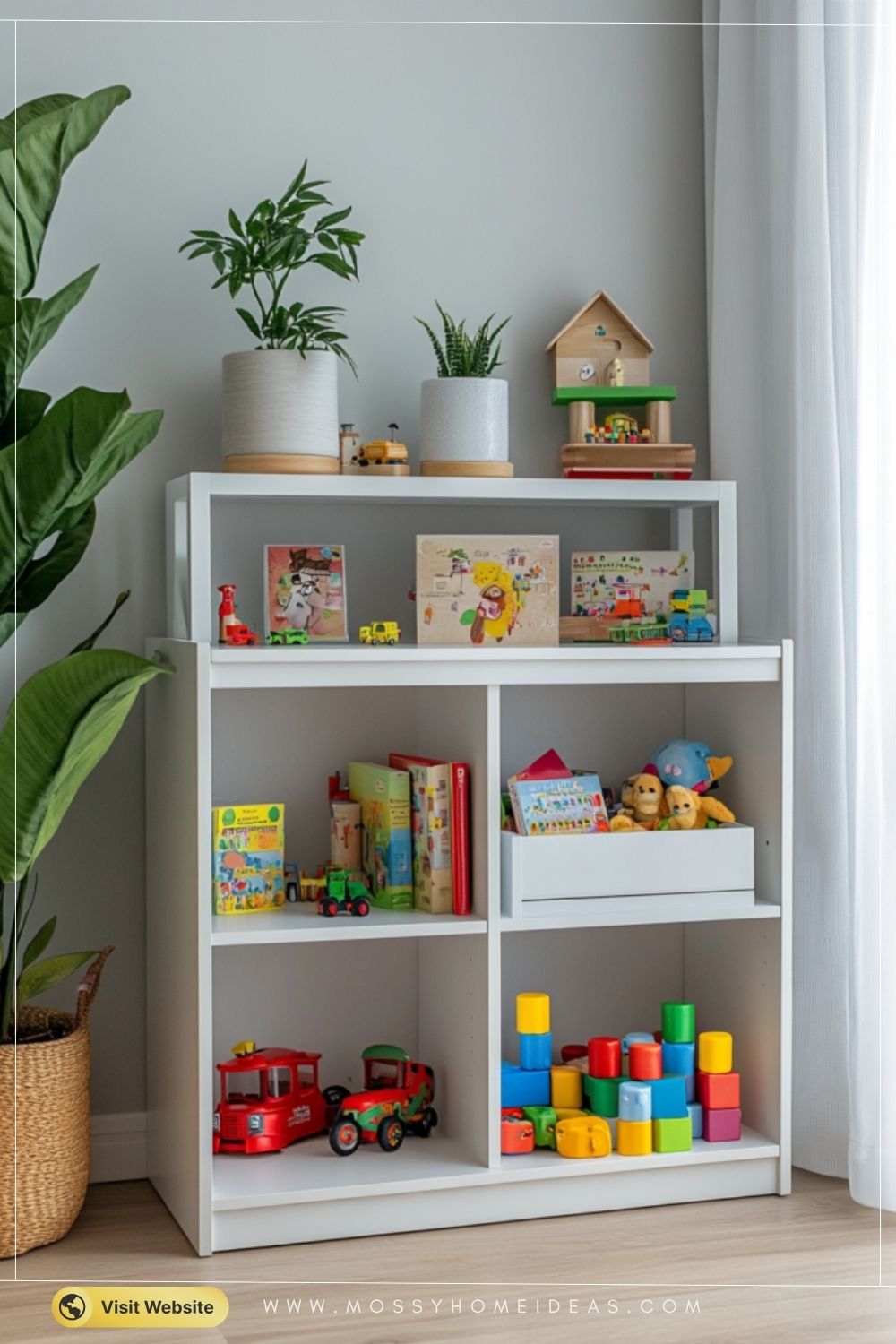
There’s a lot of talk about open shelving, and there’s a good reason for it, as it makes toys visible, so that kids remember what they have and play with more of it. To make toy choice easier for your child, there’s a low bookshelf or cube shelving unit at eye level so your child doesn’t have to ask you to dig through a closet to find a book.
The problem however is that through the use of the open shelves, everything is visible, including the mess. If your child has lots of little toys, use labeled baskets or bins on each cube instead of loose toys on the cubes.
Organize items in a similar place, art supplies in one place, dinosaurs in another, and it will be easy to pick things up rather than having to work at it. IKEA’s Kallax units are a popular option here just because the cube dimension works with most standard sized fabric bins without the need to measure.
Under-Bed Toy Storage Drawers
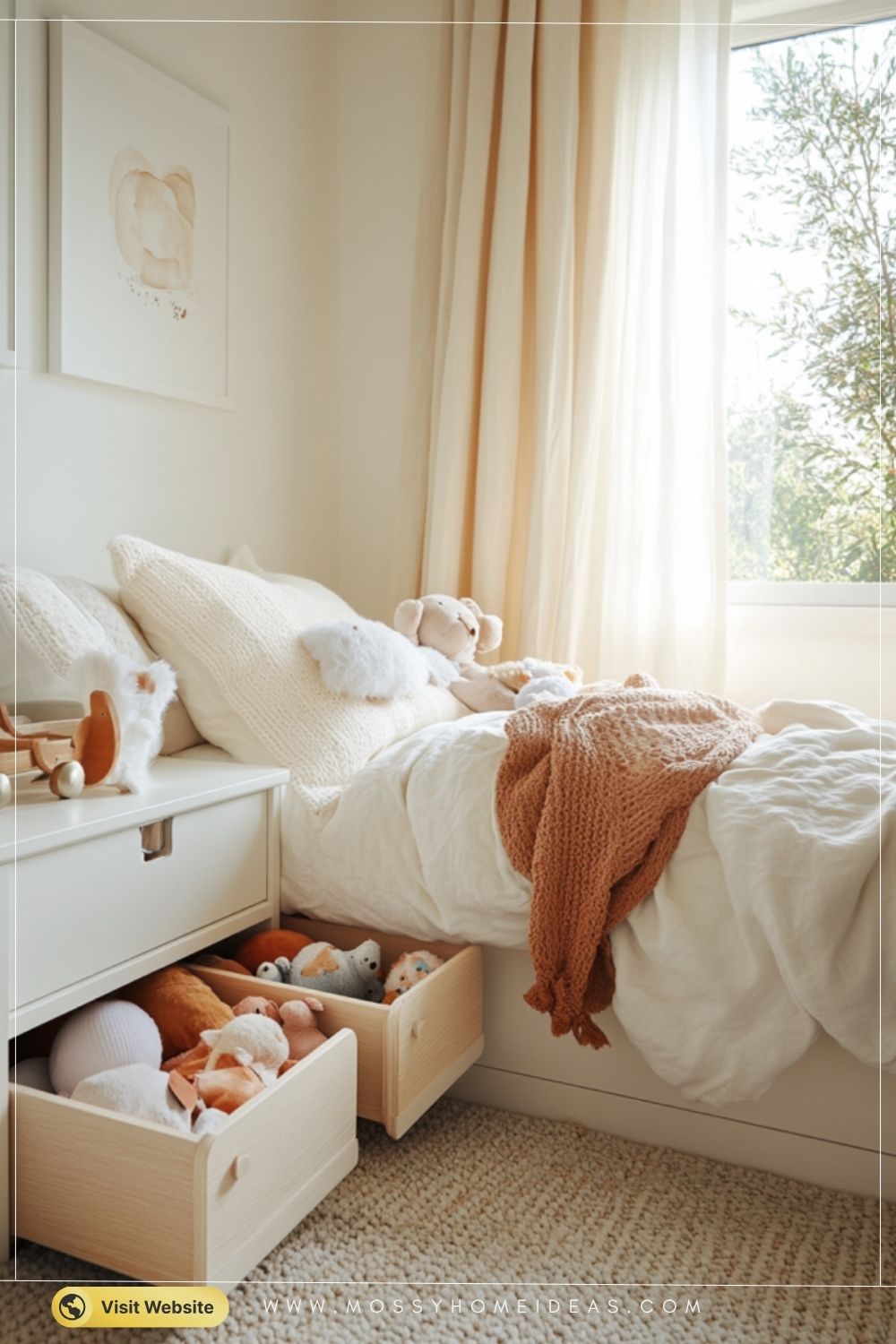
One of the best storage spaces in a child’s room is under bed storage and it is a good choice for toys that your children don’t play with daily like seasonal toys, puzzles or large building sets. Dust-proof rolling drawers or flat dust collectors with lids help to keep dust out and you can pull out when necessary.
This is ideal for smaller homes and apartments where there may be less floor space in the family home. A handy tip: Test clearance beneath the bed frame before purchasing anything as a lot of storage drawers that are labelled “under-bed” will be too tall for platform beds or beds with built-in storage drawers. If your child’s bed is low to the ground, you should search for flat, low beds instead of the normal rolling drawer type.
Toy Chest and Bins Storage
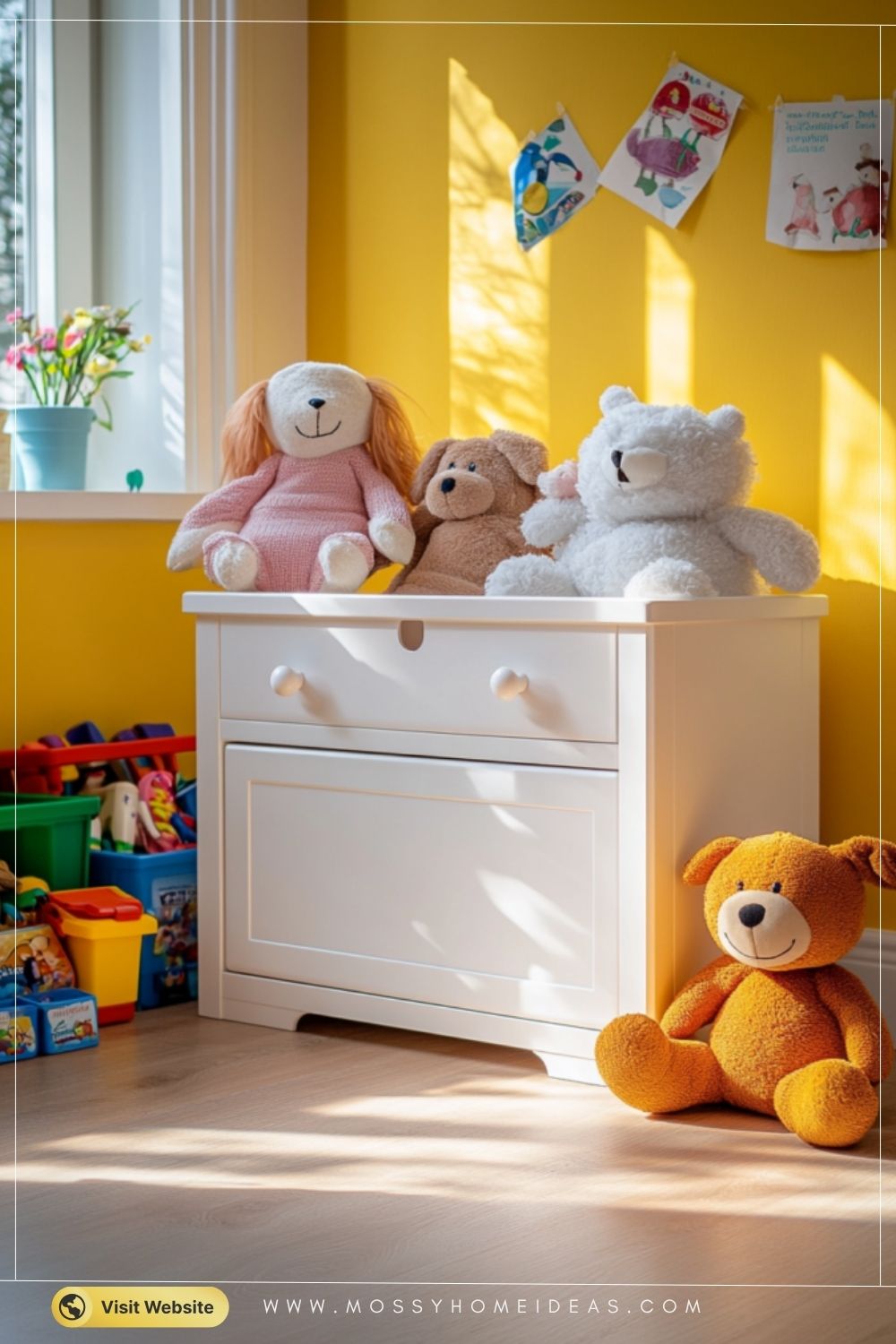
Even today, a traditional toy box is a well-loved addition to many children’s bedrooms, especially for younger children who may not have the fine sorting skills yet. The dump and go aspect of a toy box is the precise thing that is its greatest good and its most significant downside. Quick and easy and forgets about the small stuff.
Over-the-Door Toy Organizer

An over-the-door organizer with clear pockets is one of the most simple additions you can make without any tools or installation if you’re short on floor space. These are great for small, flat toys such as matchboxes, action figures, and stuffed animals, as well as art supplies like markers and crayons.
The biggest benefit is vertical space that is otherwise wasted and the transparent pockets allow children to see what’s in them without spilling the contents. It’s not really the best choice for large toys or heavy items, as it can cause the organizer to fall over time with the use of heavily loaded pockets.
This is an option that is easier to do on closet doors than bedroom doors, aesthetically speaking, and also because the organizers are less likely to be moved by the closet doors since they are opened less often.
DIY Cube Toy Organizer
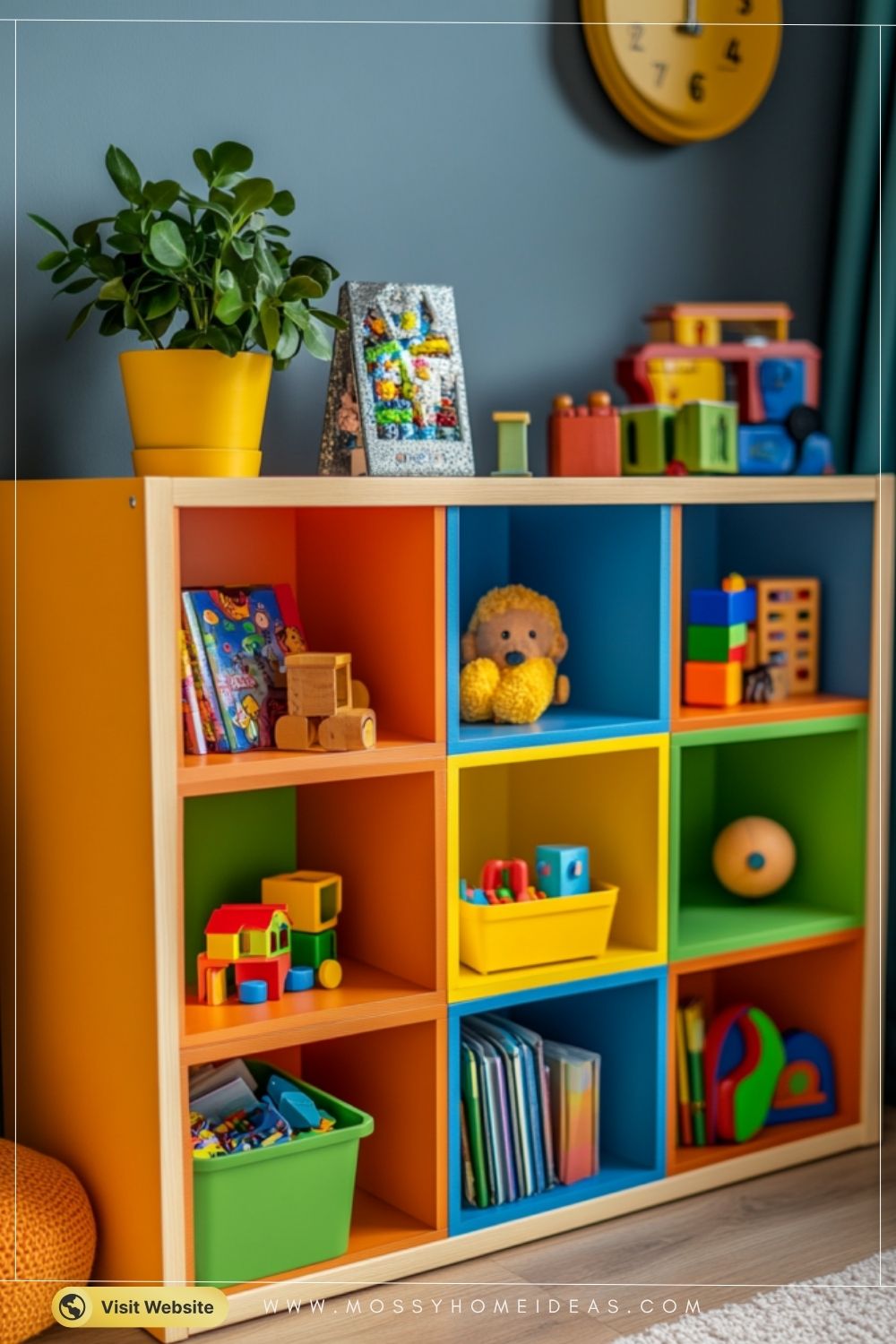
If you’re at ease with using hand tools, you can make a cube organizer that’s easier to fit with dimensions and design than most commercially available organizers. The challenges with pre-made furniture often comes as a simple grid frame can be made of plywood or pre-cut cube shelving kits, then be set up to the specific ceiling height or awkward corner.
This doesn’t require any advanced woodworking techniques. Many cube projects for the home are made from store-bought wood panels, glued together with a couple screws and are ready for use in a weekend afternoon project instead of taking a few days to build.
Color the cubes in your child’s favorite colors, or keep them a neutral color so that the organizer can evolve as the child’s interests change. Use fabric bins with the cubes to provide a combination of open and closed storage.
Ladder Shelf Toy Storage
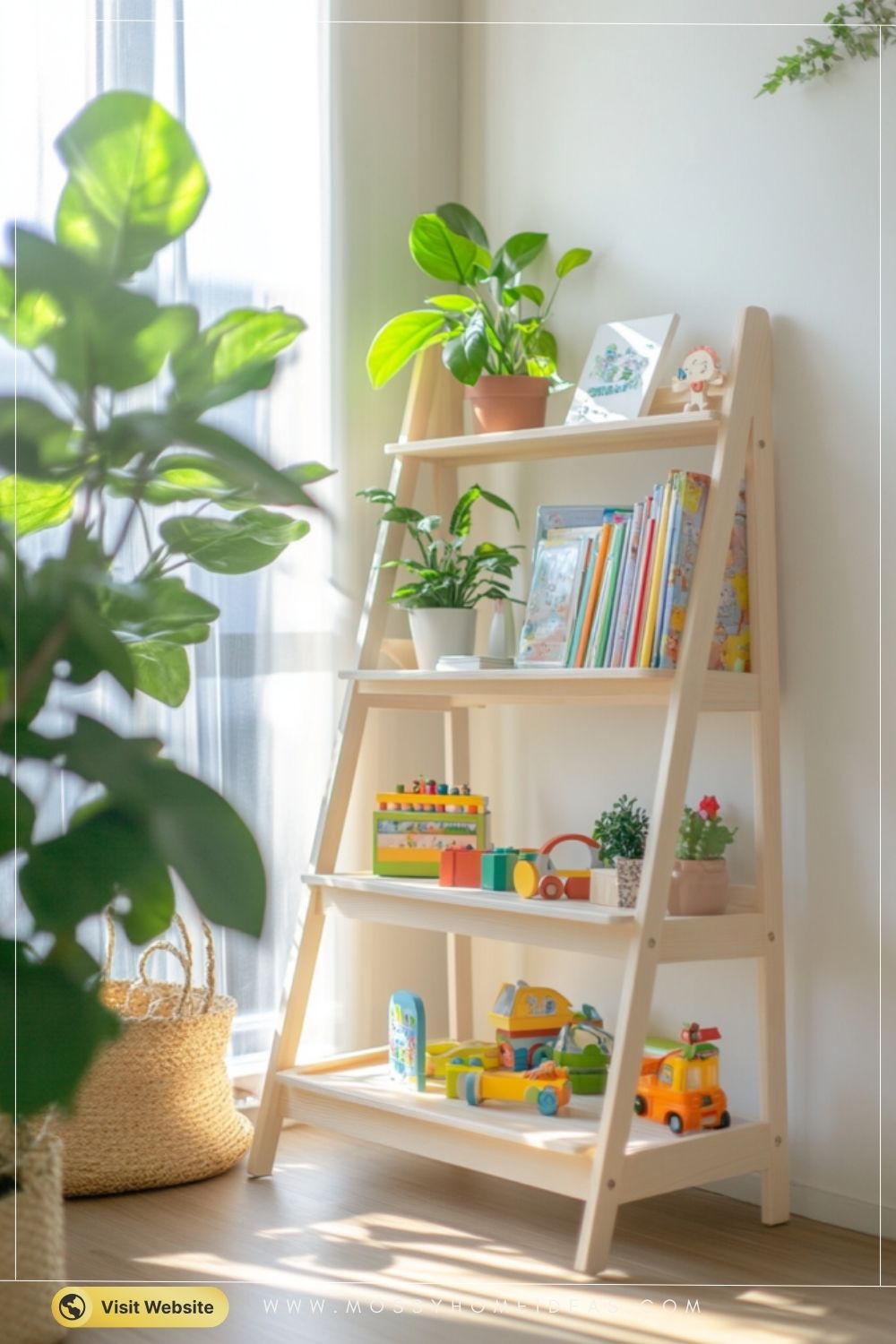
This type of wall mounted shelf, known as a ladder shelf, is another look for a child’s room and still serves as a useful toy organizer. As the shelves get smaller towards the top, this type of shelving works well for organizing favorite toys or stuffed animals on the top shelves, and bins for daily toys fit lower on the shelves that are easier to access.
This is generally not suitable for heavy loads of toys as the shelves tend to be shallower than standard bookshelves. You can use it in combination with a bin or a closet organization system, and is not necessarily the best solution for a child who has lots of toys. Always anchor it for tip over safety as it leans against the wall and particularly in homes with toddlers who enjoy climbing.
Multi-Functional Storage Ottoman
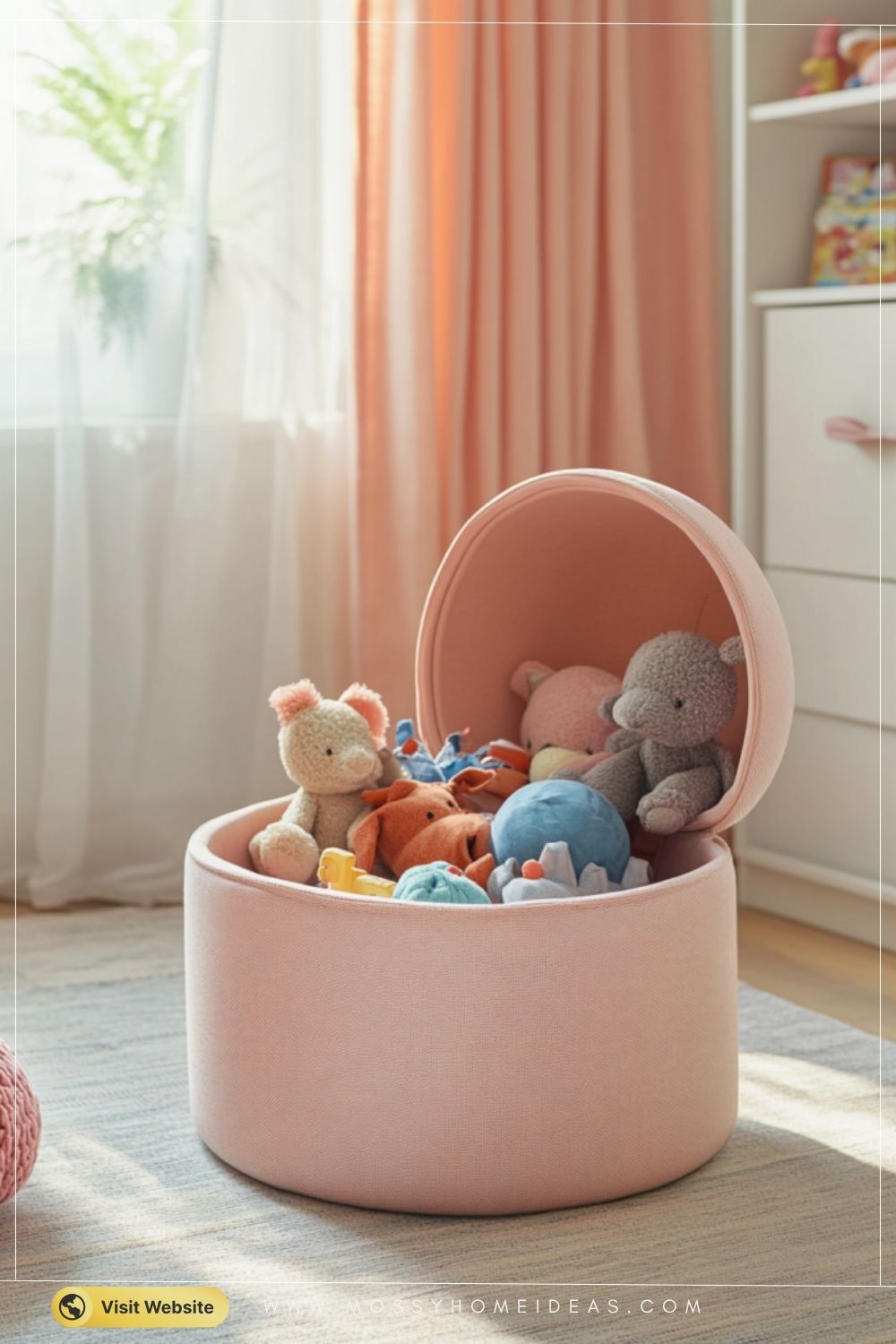
The storage ottoman is a solution to two problems that are common to many rooms, which are a lack of seating and storage. Useful at the day time for a foot rest or extra seat and then covered for toys when it isn’t in use as a foot rest, a great little swap in the smaller bedroom or play room.
Ideal for toys that do not require sorting, board games, plush toys or blankets for floor play. If little ones will be opening and closing the lid, opt for soft close ottomans, and if it’s also going to be used as a step stool or additional seating for play dates, make sure to find out the weight capacity.
Repurposed Furniture Toy Storage
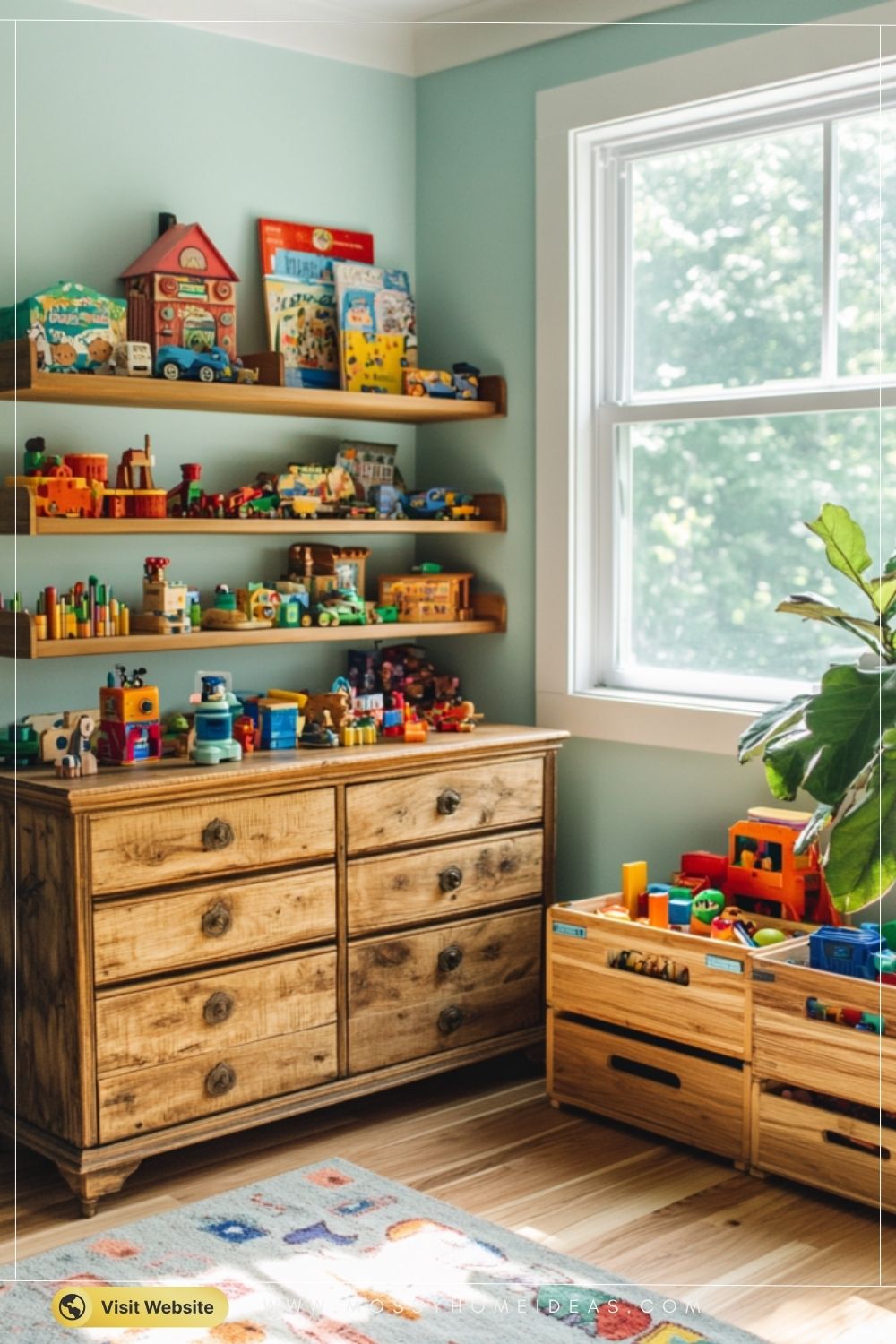
Not all toy storage solutions are to be found in a large box store. Use a coat of paint and a bit of creativity to transform an old dresser, bookshelf, or even a kitchen cart into a toy storage unit. Dresser drawers, for instance, are great for categorizing toys by type as each drawer is a separate receptacle.
This method usually works well with families that already have furniture in their homes that is not being used or those who want a room that does not appear to be a single matching set. The primary question is the size:
You want to know that whatever you’re recycling fits in both your child’s height and the size of the room, because grown-up furniture can come across bulky within a smaller children’s room. Sanding and repainting an old piece is typically a one weekend job, and sometimes cheaper than purchasing new toy storage furniture.
Color-Coded Toy Storage System
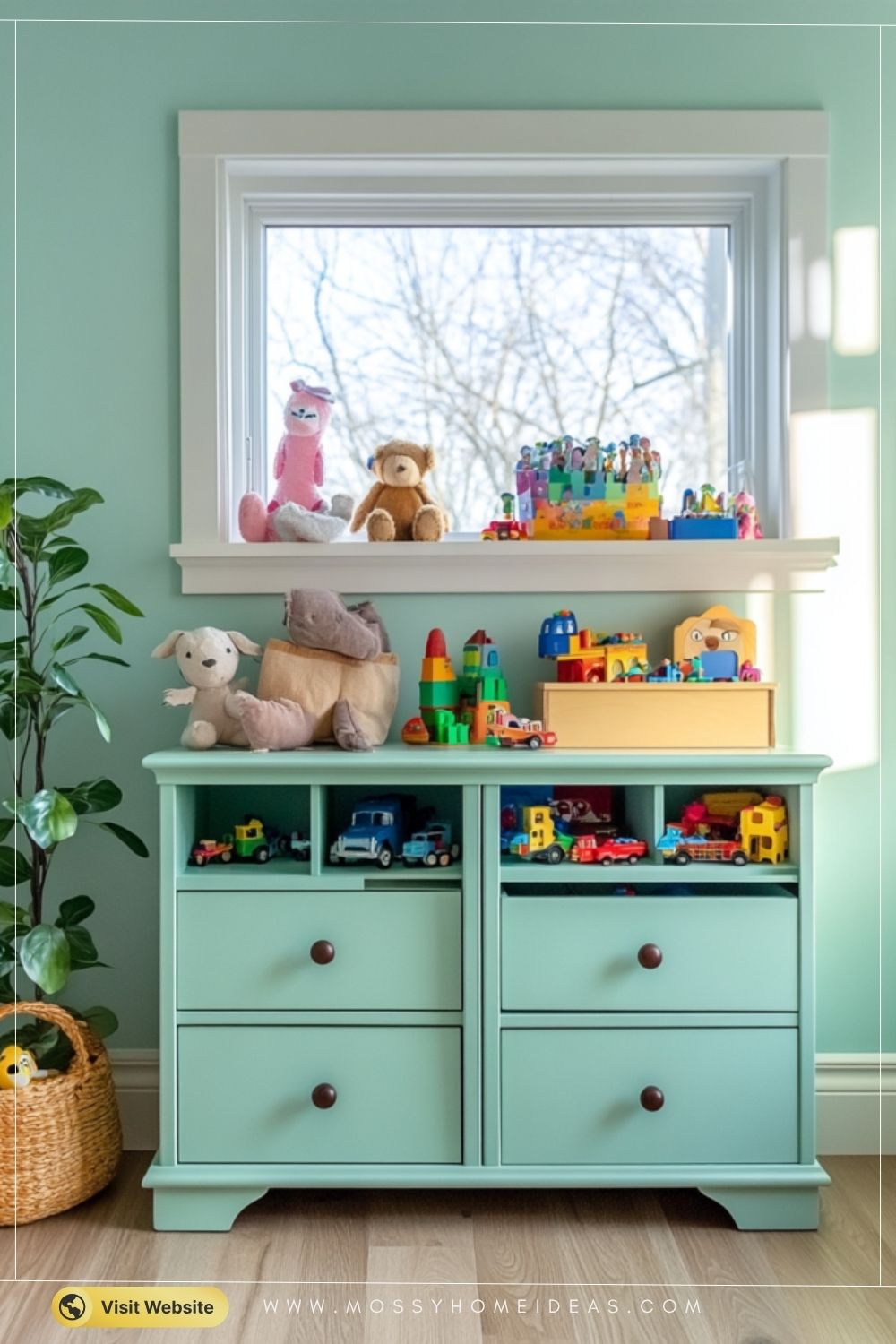
Color coding is not a storage type in and of itself but is one of the best storage systems that is useful for any of the above ideas. Use different colors on each category of toys, blue bins for cars, green bins for building blocks, red bins for art supplies, etc. and stick with them at the same time and on all shelves, bins and boxes.
This is a great system to use for children who are not reading, because they are able to match colors rather than relying on written labels. Also, it will make the cleanup quicker as there is no confusion about where something goes. The only drawbacks (besides setup) are that your kid has to buy in and choose the color selection, so it can turn out to be a good idea to involve them in that process.
Hanging Toy Organizer Wall

A hanging organizer like a pegboard, string of fabric pockets or a mesh hammock organizer hangs on the wall and can serve as a space-saving storage solution, without consuming any floor area. In particular, pegboards come in handy for toys that naturally hang, such as dress up sets, jump ropes, or toy tool sets.
Organizers with a mesh hammock are a popular stuffed animal option because they are easy to fill without taking up space on a floor or shelf, and children have a tendency to fill them up like a game. Usually, it’s has wall studs, especially when you want to use for use for something that has some weight, making it better for families who are not afraid to do a little bit of work themselves, than for a fully renter-friendly home, unless you opt for the adhesive-strip versions which are good for light loads.
Ready to Reclaim Your Floor Space? Start With One Storage Idea Today
Most kids’ rooms that parents usually organise end up with two or three of these methods, there’s open shelving for toys that is most useful, There is an ottoman for additional seating or blanket storage, perhaps a hanging organizer for stuffed animals.
The best system is the one your child will actually focus on and stick with, so try out a system for two weeks or so and tweak it according to what your child gravitates to, don’t get a fancy system the first time around.
It works as a toy chest with a few labeled bins within for the categories that are most important, such as art supplies or a particular set of toys that have a great number of small pieces. This allows the simplicity of a chest system without turning it into one huge mess.